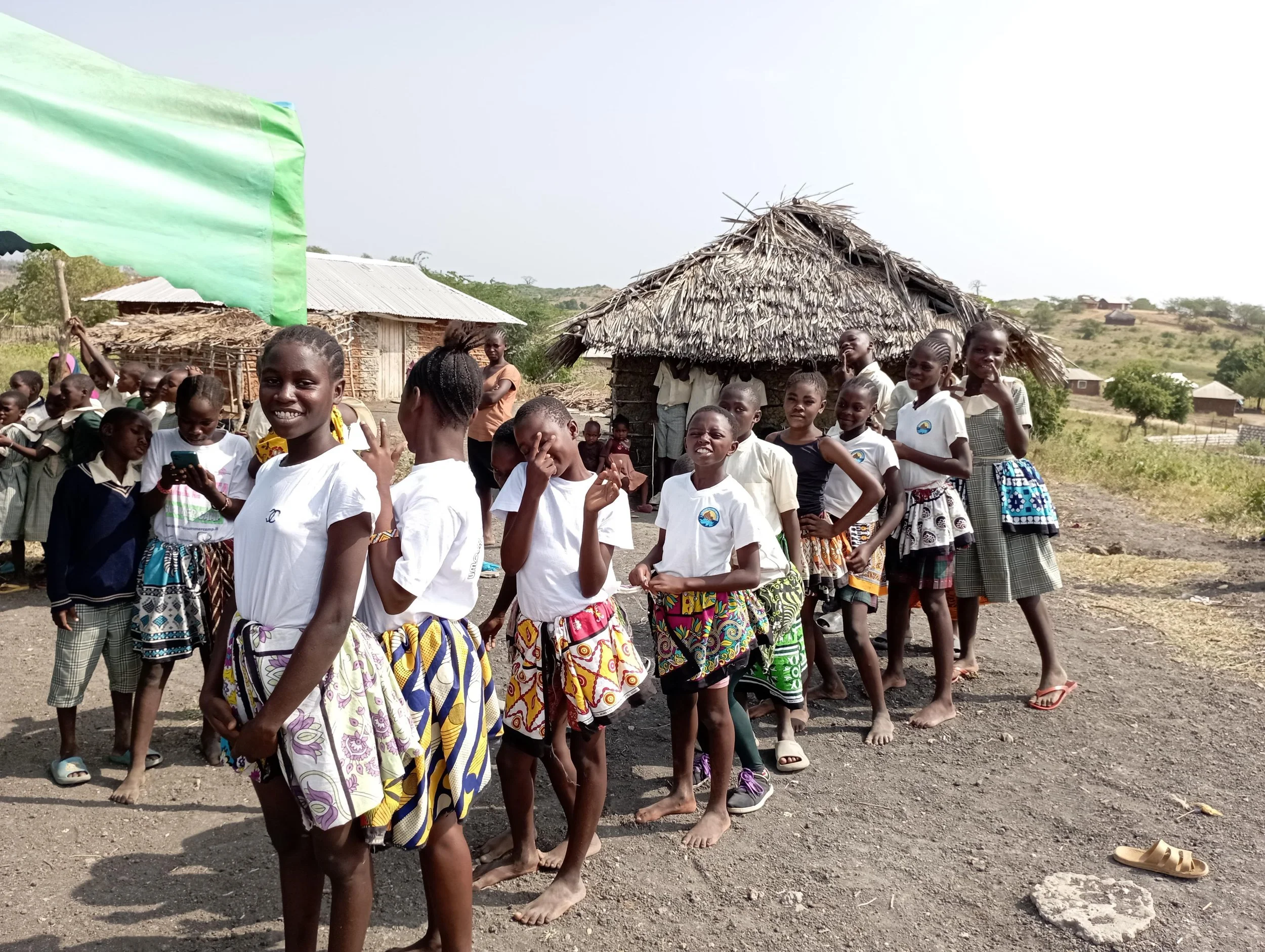
The knowledge remains in the community long after the workshop ends. The pad does not leave when the volunteer does.
period. began by researching the link between garment exploitation and menstrual poverty. The same women sewing the world's clothing, 80% of garment workers globally are women, are among the 500 million people living in period poverty. Poverty wages mean they cannot afford the products their own bodies require. The fashion industry profits from its labour and ignores its dignity. The magazine was named period. because of that connection. The Kenya project is where that connection became practical.
In Kenya, girls miss an average of four days of school per month because of their period. That is 48 days a year. Across a secondary school career, that is nearly a full year of missed education - not because of inability, not because of disengagement, but because of access to basic materials that cost less than a cup of coffee in the country where this magazine is printed.
Reusable menstrual pads are a direct, durable solution. Made from locally sourced or donated fabric, they last three to five years with proper care. They are sewn by the girls who will use them, which means the skill and the knowledge remain in the community long after the workshop ends. The pad does not leave when the volunteer does.
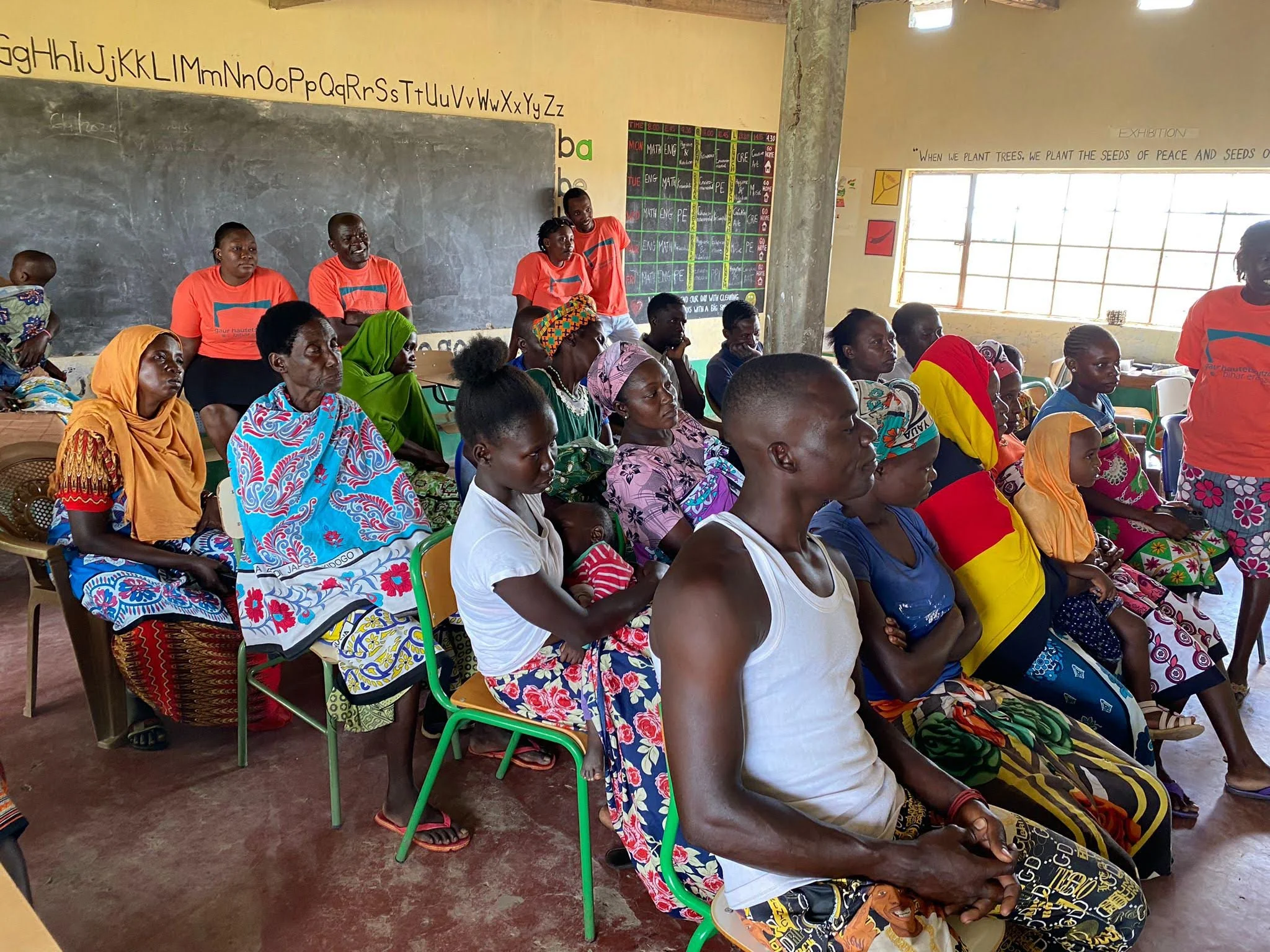
65% of women and girls in Kenya can’t afford basic menstrual hygiene.
what actually happens?
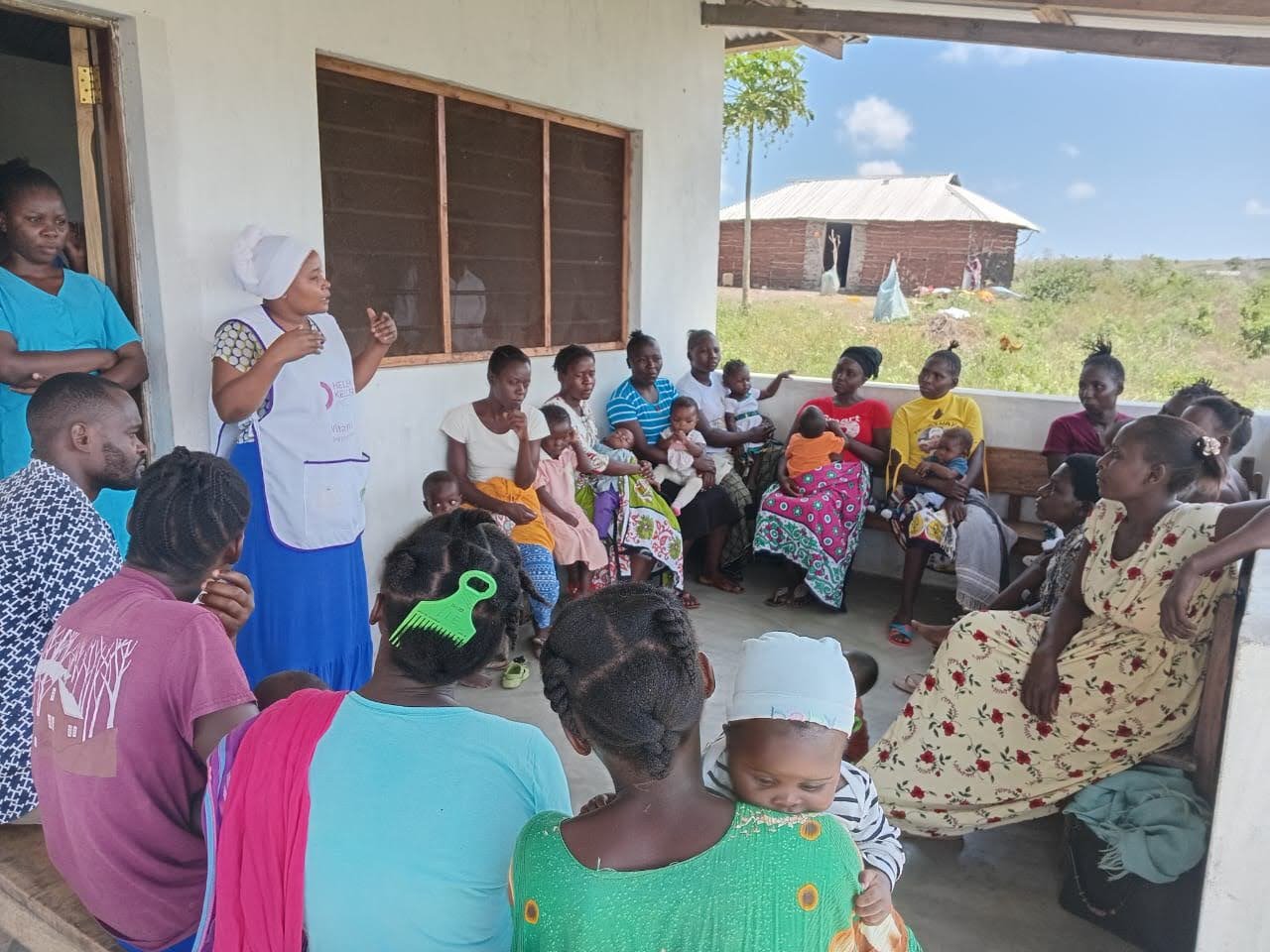
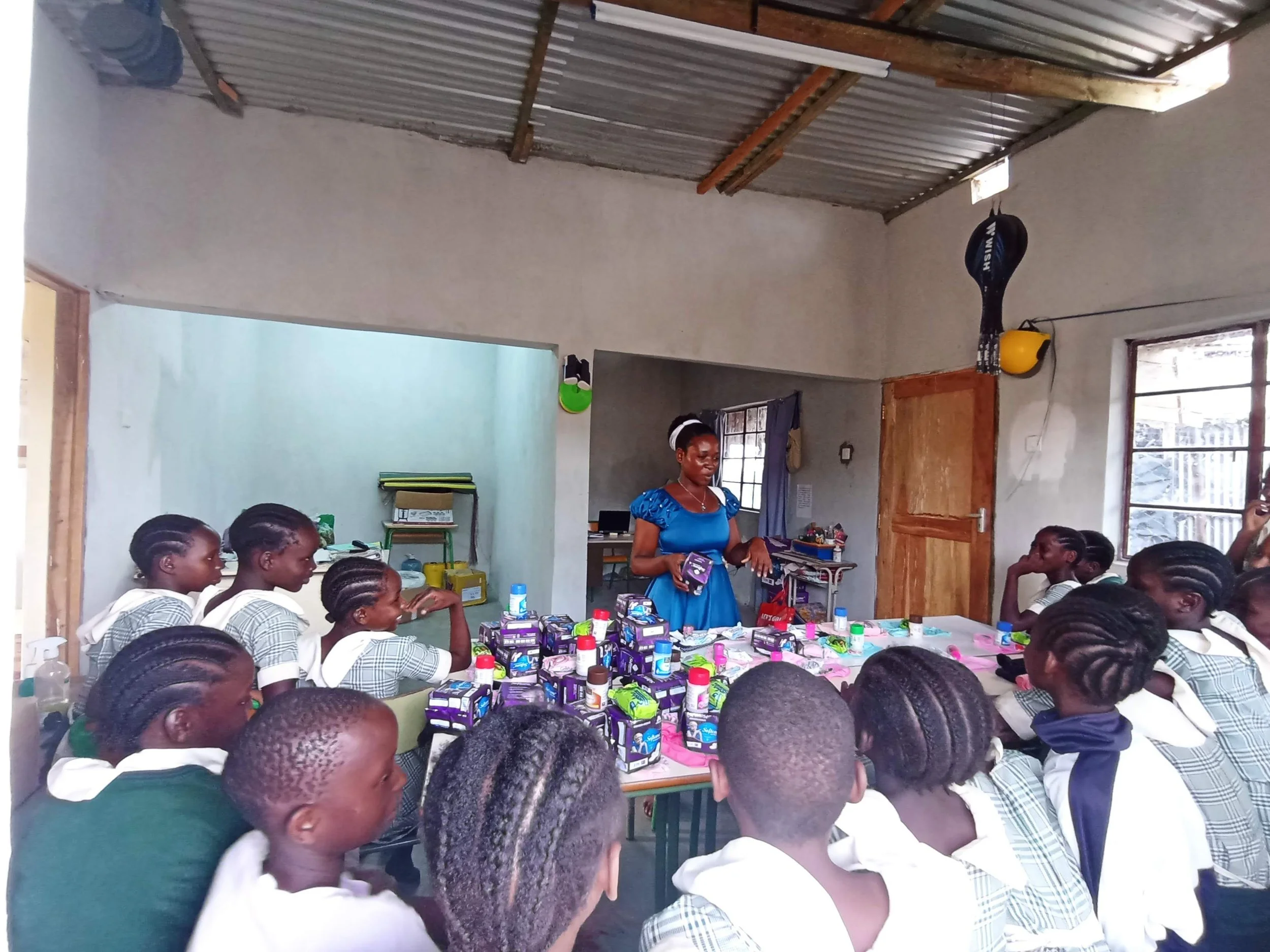
The session begins with a conversation about bodies, menstruation, what period poverty means in their specific context, and why it is a structural problem rather than a personal one. What options exist. What each costs over a lifetime. What school attendance looks like for a girl without reliable menstrual products.
Then we make something.
Each girl traces a pattern template, cuts her fabric, and hand-sews a reusable pad from start to finish. She leaves with her finished pad, a laminated care card explaining washing and drying in Swahili and English, and a small pouch to carry it in discreetly.
At the end, we cover care . Cold water first, soap, dried flat in the sun. How long it lasts. How to teach someone else. Because the workshop is designed to replicate itself. The school keeps the patterns, the instructions to continue sessions independently after the visit ends.
One visit. Many workshops after it.
The impact.
These workshops will teach the women and girls skills for life, providing them with reusable pads, a storage pouch, care instructions and health education. We will also be teaching them textile skills, not only so they can continue to make their own pads, but also for a wider community impact. All profit will fund these projects, giving dignity to women and girls in Kilifi County and their communties.
How to help
Buy a magazine £15. You get 120 pages of the most honest fashion writing you've read. All profit goes to the project.
Make a donation. Any amount. Directly to the fund.
Share this page Genuinely. It reaches people who haven't found period. yet.
A note on transparency
Period. is not a registered charity. It is an independent project with a direct fund. That means no administrative overhead, no salaries, no organisational costs sitting between your purchase and the materials it buys. It also means I am personally accountable for every penny and will document it publicly.
If you have questions about the fund, the workshop, or the project, email thisisprojectperiod@gmail.com I will answer.
*All images used are of the community in Kilifi County, Kenya with permission from the organisation*